

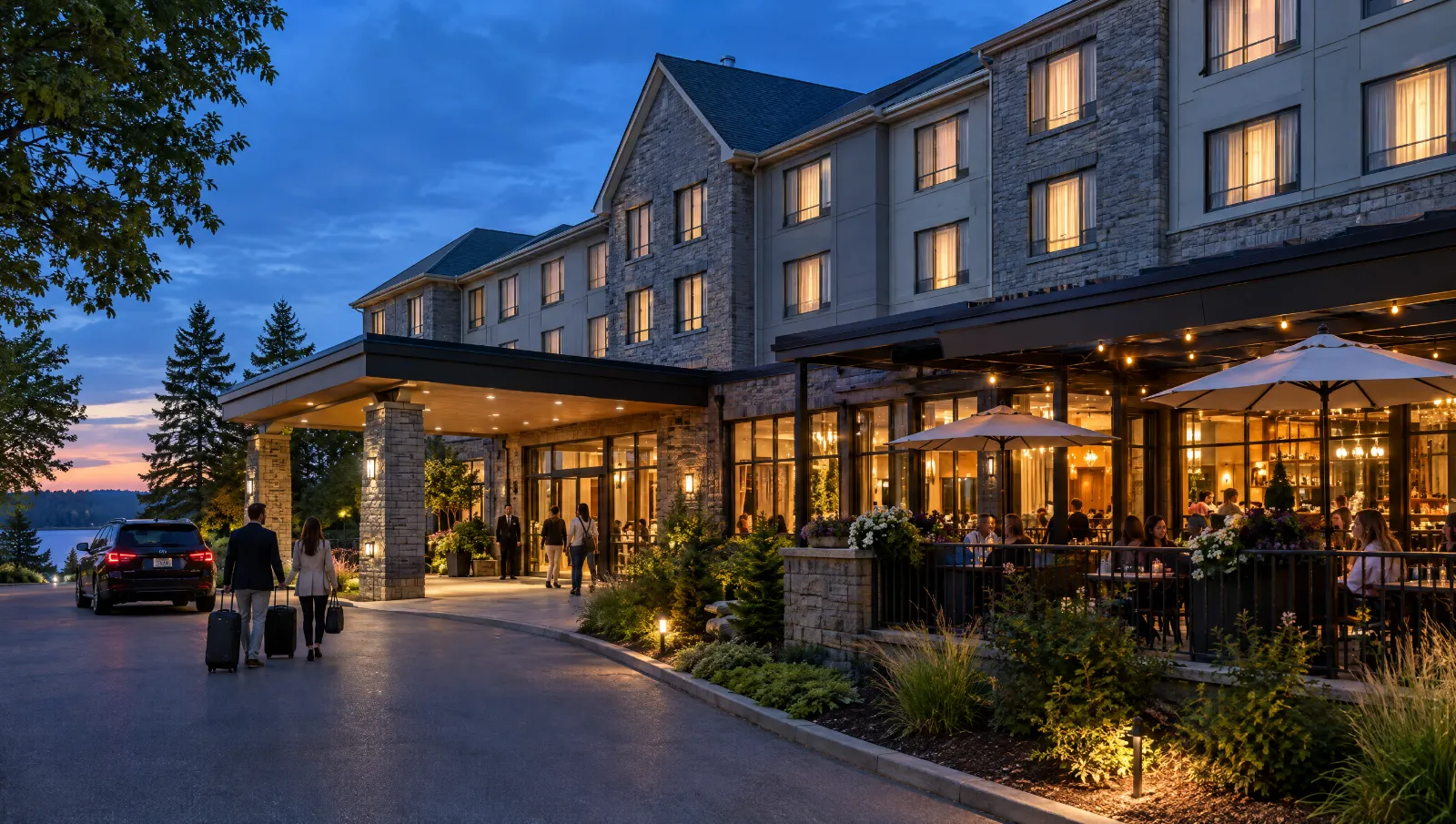
Hospitality businesses sit where food service meets accommodation. A small inn in cottage country might serve breakfast to six guests; a full-service hotel in downtown Toronto might run a restaurant, a lobby bar, a pool, a fitness room and a banquet hall under one roof. The insurance building blocks are the same ones a restaurant uses, which our guide to how a food business package fits together explains, but the mix and the limits change once people are staying overnight.
Many insurers are cautious about hotels, motels and inns, and a generalist broker may have only one or two places to send them. We specialize in hospitality and work with insurers, including specialty and hospitality-focused markets, that actively want this business. That lets us shop one application across several of them and find the right fit for your property.
What makes hospitality different
- Overnight guests. You are responsible for guest safety around the clock, including stairs, balconies, bathrooms and icy parking areas.
- Guest property. Luggage, laptops and valuables left in rooms or with the front desk create their own exposure.
- Amenities. Pools, hot tubs, fitness rooms and playgrounds bring injury risks restaurants rarely face.
- Booking and payment data. Reservation systems hold names, addresses and card details.
- Seasonality. Many properties earn most of their year in a few months, so a closure at the wrong time is especially costly. Read about protecting room revenue after a closure.
Types of hospitality businesses
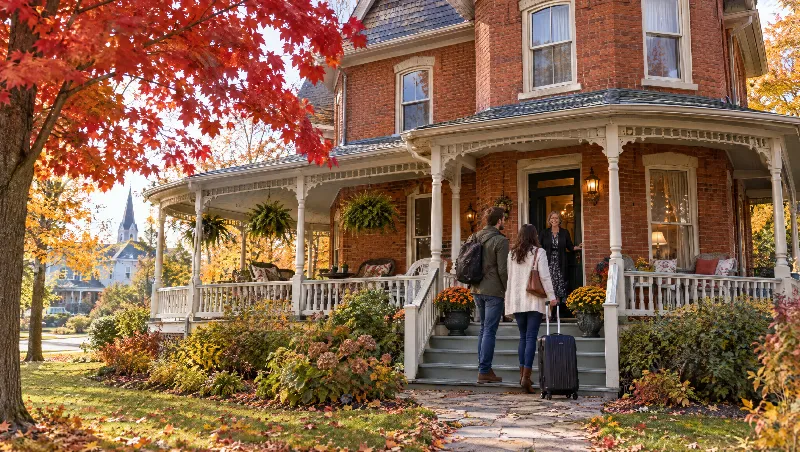
Hotels and resorts range from limited-service properties to full-service hotels with restaurants, bars and meeting space. Motels and roadside inns usually have exterior corridors, parking at the door and little or no food service, which shifts the focus to premises liability and property. Bed and breakfasts are often owner-occupied homes, which raises questions about where the home policy ends and the business policy begins. Event venues and banquet halls host weddings and corporate functions with heavy alcohol service and large crowds.
| Property type | Coverage that matters most |
|---|---|
| Full-service hotel | Liability, liquor liability, business interruption, cyber |
| Motel or roadside inn | Premises liability, property, guest property |
| Bed and breakfast | Home vs business coverage, guest injury, food service |
| Event venue or banquet hall | Liquor liability, crowd liability, cancellations |
When there is food and drink on site
If your property has a dining room, the kitchen risks are the same as any restaurant’s. Our page on coverage for sit-down restaurants covers fire, food illness and equipment in more depth. A lobby lounge or pub adds commercial host exposure under your AGCO licence, which is covered on our page about insurance for bars and taverns.
Example: A 40-room hotel in Niagara leases its ground-floor restaurant to an outside operator. Our broker checks that the operator carries its own liability and liquor coverage, names the hotel as an additional insured, and makes sure the lease spells out who insures the kitchen equipment.
Getting a quote for your hospitality business
Fill in the short form or call us at (416) 346-6886. One of our hospitality brokers asks about your rooms, amenities and food and alcohol service, then we take your application to insurers that suit your property and walk you through the options. Once you choose, we set up the policy and stay with you for certificates, changes, renewals and claims. The quote is free and there is no obligation.
Common questions
Is hospitality insurance different from restaurant insurance?
It shares many of the same building blocks, such as liability, property and business interruption, but adds risks that come with overnight guests, including guest property, pools, room damage and booking data. Properties with a restaurant or bar need both sets of coverage, and we place both.
Do motels and event venues need the same coverage as hotels?
The core is similar, but the details change. A roadside motel may have no food service at all, while a banquet hall may have heavy alcohol service and no guest rooms. Our brokers match coverage, and the insurer, to what you actually offer.
Can I insure several properties on one policy?
Many insurers will write multiple locations on one commercial package, which can simplify renewals and certificates. We will tell you whether combining locations makes sense for you.