
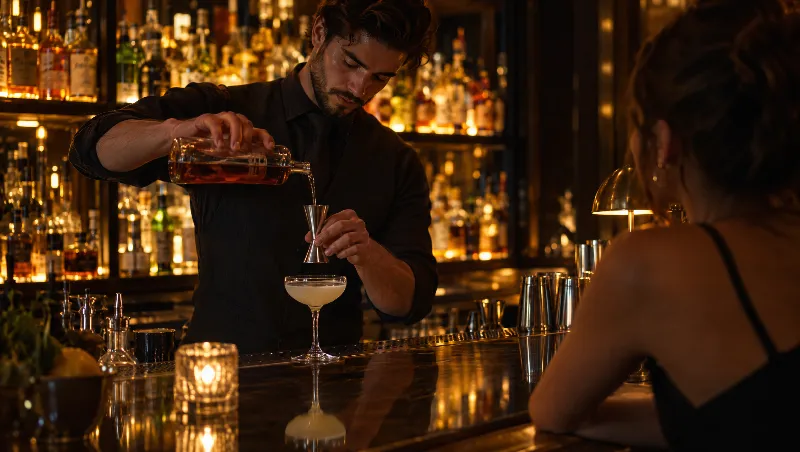
Liquor liability covers claims that your business contributed to someone’s injury, death or property damage by selling or serving alcohol. It pays for your legal defence and for damages up to the policy limit. For any business holding a liquor sales licence from the Alcohol and Gaming Commission of Ontario (AGCO), it is one of the most important pieces of a food and hospitality insurance package, because the claims tend to be serious and the legal standard for licensed sellers is high.
It is also one of the hardest coverages to place well. Plenty of insurers decline bars, nightclubs and late-night venues outright, and a generalist broker may have only one market to try. Our brokers specialize in hospitality and work with insurers, including specialty markets, that want licensed premises, so we can shop your application and find terms that fit how you serve.
Commercial hosts and social hosts
Canadian courts, including Ontario’s, treat people who serve alcohol differently depending on why they are serving it.
A commercial host is a business that sells or serves alcohol as part of its operation: a bar, a licensed restaurant, a brewery taproom, a hotel lounge, a caterer pouring at a wedding. Courts have long held that commercial hosts owe a duty of care not only to their patrons but also to members of the public who might be hurt by an intoxicated patron, such as other drivers on the road. That duty can include watching for signs of intoxication, refusing service, and taking reasonable steps to keep a visibly impaired guest from driving.
A social host is a private person serving alcohol at a party in their home. Courts have generally been far more reluctant to hold social hosts responsible for what an adult guest does after leaving, unless the host did something more to create or increase the risk.
For a licensed business, the practical point is simple: you are held to the commercial standard, and a claim can come from someone who never set foot in your premises.
Host liquor liability is not the same thing
Many general liability policies include something called host liquor liability. It is meant for businesses that serve alcohol occasionally and incidentally, such as an office holiday party or a retail store’s customer appreciation night. It is generally not designed for a business that is in the business of selling alcohol. If you hold a licence to sell, you need liquor liability written for that purpose. Our page on general liability for food businesses explains what the base policy does cover.
What a liquor liability claim looks like
Example: A regular at a neighbourhood pub in Ottawa stays for a Leafs and Senators game and is served several drinks after he starts slurring. He drives home and rear-ends another car at a red light. The injured driver sues the patron and the pub, arguing staff should have cut him off and arranged a ride. Liquor liability pays for the pub’s defence and any damages awarded or settled, up to the limit, and our brokers help the owner report the claim and pull together the incident log and Smart Serve records.
Other common situations include an intoxicated guest falling down stairs, a fight between patrons, or an underage guest served with a borrowed ID who is later injured.
Smart Serve and the AGCO
In Ontario, the AGCO licenses and regulates businesses that sell and serve alcohol. Staff who serve alcohol in licensed establishments, and the managers who supervise them, must complete Smart Serve or other AGCO-approved responsible service training.
Insurers care about training because it is your first line of defence in a claim. Being able to show that the server was certified, that your policy is to refuse service to visibly intoxicated guests, and that a manager logged the incident makes a real difference. Keep Smart Serve certificates on file for every staff member, including part-time, seasonal patio staff and event staff.
| Control | Why insurers ask about it |
|---|---|
| Smart Serve for every server and manager | Shows staff were trained to spot and refuse intoxicated guests |
| Written cut-off and ID policies | Proves a clear house standard existed |
| Incident logs kept at the bar | Gives a record made at the time, not after a lawsuit |
| Food available during service | Slows drinking and lowers risk |
| Closing time and late-night hours | Later hours usually mean more claims |
| Plan for getting impaired guests home | Directly addresses the most serious claims |
Promotions that encourage rapid drinking work against you. Strong controls do not just help defend a claim; they make your application more attractive to the insurers we approach.
Who needs liquor liability
- Bars, pubs and nightclubs. Alcohol is the core of the business and claims risk is highest. See coverage built for bars and taverns.
- Licensed restaurants. Even where food is the focus, a dining room with a bar or a busy summer patio carries commercial host exposure.
- Caterers. Pouring at weddings and corporate events, often in venues that demand proof of coverage. Our page on insurance for event caterers covers this.
- Breweries and wineries. Taprooms, tasting rooms, growlers and events all count as serving, from Toronto brewpubs to Niagara wine country tasting rooms. Read about insurance for craft brewers.
- Hotels and inns. A lobby lounge, room service or a banquet hall adds alcohol exposure to the property.
Choosing coverage
Limits for liquor liability are often set to match your general liability limit, and landlords and venues may specify a minimum. We will check whether assault and battery is covered, since some policies exclude it, and whether the policy covers events you serve at off-site. Your alcohol sales as a share of revenue is one of the biggest factors in pricing, which our guide to what moves restaurant premiums explains.
Getting a quote for liquor liability
Use the short form on this page or call us at (416) 346-6886. One of our hospitality brokers asks about your licence, sales mix, hours, Smart Serve training and incident history. We take your application to insurers that suit licensed premises like yours, walk you through the options in plain language and set up the policy you choose. After that, we stay with you for certificates, changes, renewals and claims. The quote is free and there is no obligation.
Common questions
Isn't liquor liability already part of my general liability policy?
Usually not for a business that sells alcohol. Many general liability policies exclude or limit claims arising from serving alcohol when you are in the business of selling it. Some include host liquor liability, which is meant for incidental serving, not a bar or licensed dining room. Our brokers confirm in writing what your policy does and does not include.
Does my AGCO liquor licence require liquor liability insurance?
Requirements can depend on your licence type, your landlord and the venues you work in. Many landlords, event venues and special occasion permit situations call for proof of liquor liability whether or not it is a licensing condition. We will help you confirm what applies to your business and provide the certificates.
Do my servers need Smart Serve?
In Ontario, staff who sell, serve or handle alcohol in licensed establishments, and managers who supervise them, are required to complete Smart Serve or other AGCO-approved training. Insurers will also ask whether all of your staff are certified.
Does liquor liability cover a fight in my bar?
It depends on the wording. Some liquor liability policies cover assault and battery claims and some exclude them, which matters a great deal for late-night venues. See our page on coverage for bars and pubs for more.